

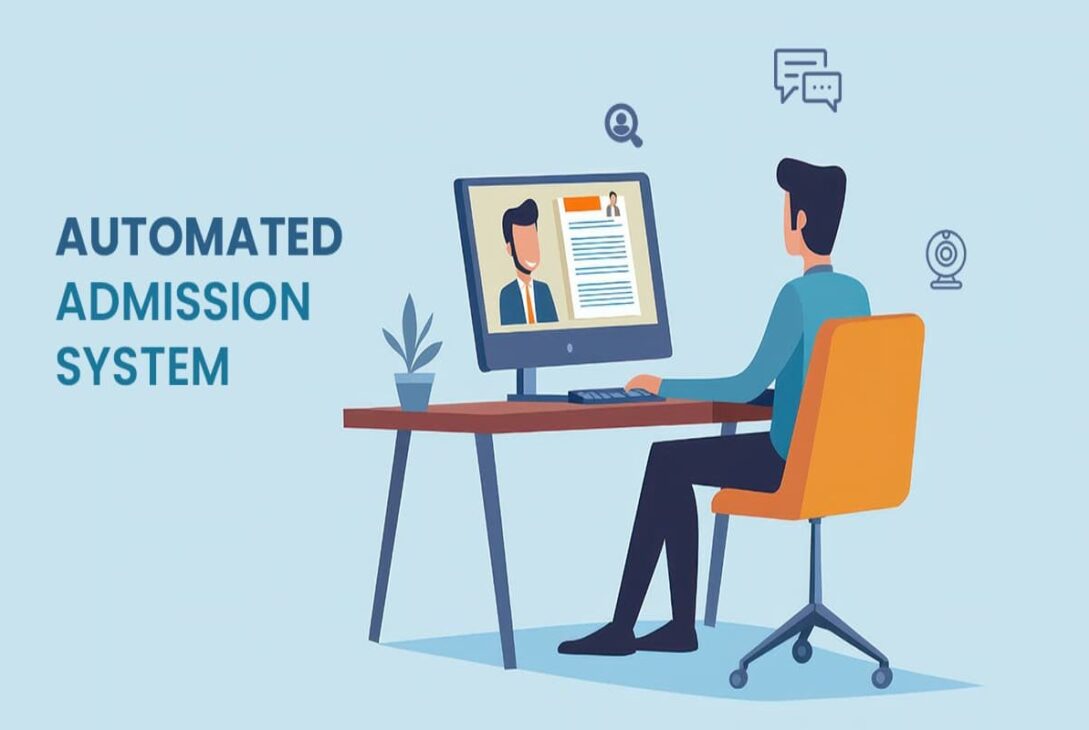
College admissions look very different than they did even a few years ago. Behind the application portals students use every day, automated systems now manage how applications move, how information gets sorted, and how files reach admissions teams. Understanding college admissions automation helps you prepare smarter as you move from high school to college.
How Automation Fits Into the Admissions Process
Most colleges receive far more applications than staff members could process manually. Automation handles the first layer of organization. Application systems collect grades, test scores, essays, and recommendations, then structure that data for review.
Automation supports tasks such as tracking missing materials, sorting applicants by program, and identifying academic patterns. Admissions officers still read files and make decisions. Automation sets the order and context for that review.
What Happens to Your Application First
When you submit your application, the system checks for completeness. Transcripts, test scores, recommendation letters, and essays all receive timestamps and status markers. Incomplete applications often pause before human review begins.
Systems also flag academic trends. Grade progression, course difficulty, and alignment with your intended degree help determine where your application lands in the review queue.
This stage matters. Clean submissions with clear academic direction move faster.
Why Your Intended Degree Matters Early
Admissions systems group applicants by program. Your selected major influences how your academic record gets evaluated.
For example:
- An education degree application often highlights coursework in communication, psychology, and social sciences.
- A business analyst degree typically emphasizes math, statistics, and analytical thinking.
- A marketing degree often prioritizes writing, presentations, and project-based learning.
- An engineering degree places heavy weight on calculus and physics preparation.
- A health sciences degree focuses on biology and chemistry readiness.
Automation routes applications to reviewers who understand those program standards. Choosing a degree that matches your coursework strengthens your application from the start.
Essays Still Matter More Than You Think
Automation assists with structure checks, plagiarism screening, and prompt verification. It does not judge personal insight, motivation, or clarity of thought.
Your essay speaks directly to human readers. Clear organization, focused responses, and specific examples help reviewers understand why your degree choice fits your goals. Students preparing for teaching, business, or technical fields benefit from connecting experience to program expectations.
Recommendation Letters and Digital Tracking
Recommendation letters enter admissions systems as digital uploads. Automation tracks submission timing and links each letter to your file. It does not rate tone or content.
That said, relevance matters. A student applying for an education degree benefits from recommendations written by teachers or mentors who understand classroom leadership. A student pursuing a data analytics or finance degree benefits from insight into analytical performance.
Application Tech Trends Affecting Students
Application tech trends continue shaping the admissions experience. Many colleges now use:
- Centralized dashboards that show real-time application status
- Automated deadline reminders
- Digital document verification
- Data-driven enrollment forecasting
- Scholarship matching tools based on application data
These systems increase efficiency. They also increase competition. Every applicant moves through the same structured pipeline.
What Automation Rewards in Applicants
Automation favors consistency and preparation. Strong applications share common traits.
Admissions systems respond well to:
- Academic improvement over time
- Coursework aligned with your chosen degree
- Early and complete submissions
- Clear program selection
Students exploring interdisciplinary paths such as educational technology, digital marketing, or information systems should explain intent clearly. Automation organizes files. Clarity helps reviewers connect the dots.
Skills That Help Beyond Admissions
Understanding automated systems prepares you for college itself. Many degree programs rely on digital platforms for coursework, assessments, and collaboration.
Degrees closely tied to automation exposure include:
- Information systems
- Business analytics
- Supply chain management
- Educational technology
- Finance
Early familiarity with structured systems supports academic performance and career readiness.
A Smarter Way to Prepare
You do not need to work around automation. You need to work with it.
Focus on accurate records, clear goals, and careful submissions. Read instructions closely. Match coursework to your degree choice. Write essays with purpose.
Automation organizes the process. People still decide outcomes.
College admissions reflect how many industries now operate. Learning how these systems work helps you navigate higher education with confidence and intention.