


Understanding Digital Footprints and Online Profiles
Every time someone opens a browser to research a public figure, investigate an obscure handle, or search for information about datrihelminen life, they enter a sprawling ecosystem of interconnected data. The web rarely presents a neat, pre-packaged summary of an individual or personal project. Instead, it offers a fragmented trail of domain records, social profile scraps, automated aggregators, and user discussions. Navigating this ocean of data requires a keen eye for detail, a basic grasp of digital forensics, and a high degree of skepticism.
Search engines index billions of web pages every day, but indexing does not equal verification. When you search for specific keywords like about datrihelminen life, search engine algorithms attempt to match your text query with indexed pages. Sometimes, these results point to legitimate primary sources, such as self-published personal logs or verified directory listings. In many cases, however, the top results consist of content scrapers, automated search-intent landing pages, or outdated forum threads. Disentangling meaningful signal from noisy background clutter is the core challenge of modern online research.
For journalists, open-source intelligence (OSINT) analysts, corporate recruiters, and curious readers, knowing how to analyze digital footprints protects against misinformation. Online identities are rarely static; they shift as users change handles, migrate across platforms, or prune their web presences. Understanding the underlying mechanics of how digital records accumulate makes it far easier to evaluate whether a specific piece of information is trustworthy or merely floating around in an algorithmically generated echo chamber.
Evaluating Digital Footprints: Separating Fact from Search Engine Noise

When conducting an investigation into an unfamiliar term or individual—such as queries centered about datrihelminen life—the primary objective must always be distinguishing primary evidence from third-party commentary. Digital identities are constructed layer by layer across various environments, ranging from official professional rosters to ephemeral social posts and obscure web archives.
Primary sources represent the gold standard of digital research. These consist of materials created and published directly by the subject, including personal domains, verified social media accounts, signed public statements, and official filings. If you are attempting to uncover reliable details about datrihelminen life, an official blog or a direct, verified repository will always carry more weight than an anonymous summary on an content-farm website.
Secondary sources, on the other hand, include news reports, interview transcriptions, industry directories, and blog features. While secondary sources can offer invaluable context, they are prone to copy-paste errors, misinterpretations, and editorial bias. When search traffic spikes around a particular query like about datrihelminen life, automated scraping websites frequently generate low-quality articles designed solely to capture ad revenue. These pages often recycle unverified rumors or synthesize complete fabrications using simple text generation scripts. Researchers must cross-reference secondary mentions with direct primary records before accepting them as factual truth.
Core Elements of an Online Presence
To systematically break down an entity’s digital shadow, it helps to divide their online footprint into three distinct operational tiers:
- Primary Channels: Outlets under the subject’s direct administrative control. These include personal websites, registered domain names, verified professional profiles, public code repositories, and self-managed social channels.
- Secondary Mentions: Media coverage, press releases, corporate announcements, podcast appearances, and official organizational rosters where third parties reference the subject.
- User-Generated Content and Metadata: Community discussion threads, archive mirror logs, public forum comments, and platform metadata. While highly prone to subjective bias, this layer often reveals chronological timelines and historic interactions.
A Structured Framework for Researching About Datrihelminen Life and Online Profiles

To accurately evaluate an unfamiliar identity without falling prey to digital hoaxes or privacy hazards, researchers rely on structured evaluation frameworks. Instead of trusting search engine result snippets at face value, a systematic process tests the validity of each claim.
The matrix below outlines practical criteria for evaluating digital profiles, contrasting verified technical signals against potential risks and unverified inferences.
| Evaluation Criterion | Verified Feature | Inference / Potential Risk |
|---|---|---|
| Domain Ownership | Transparent WHOIS records, active SSL certificates, and consistent host history. | Privacy masking hiding domain ownership, sudden drops in domain registration history, or park pages. |
| Social Media Profiles | Official platform verification badges, long-term consistent activity, and cross-linked handles. | Imposter accounts, recently created handles mimicking established names, or bot-driven activity networks. |
| Public Publications | Directly attributed articles, verifiable press releases, and archived original uploads. | Content farms, low-quality syndication networks, and automated scrapers mimicking authoritative news. |
| Historical Archives | Consistent snapshots saved in public digital archives like the Wayback Machine. | Abrupt changes in biographical details, scrubbed pages, or retroactively modified post dates. |
Step-by-Step Verification Checklist
When embarking on a targeted lookup—whether analyzing corporate identities or gathering facts about datrihelminen life—follow this step-by-step verification checklist to preserve data integrity:
- Locate the Primary Source First: Prioritize self-hosted domains or verified social handles over third-party discussion boards or automated biographical sites.
- Cross-Reference Independent Statements: Verify key details across at least two independent, reputable secondary sources that do not simply cite each other in a circular loop.
- Examine Technical Identifiers: Look at registration dates, profile creation timestamps, and post histories to identify discrepancies or sudden shifts in account ownership.
- Inspect Web Page Structures: Check whether the hosting site is a legitimate publication or an ad-heavy landing page built purely to exploit search traffic around niche terms.
- Maintain Cyber Hygiene: Avoid downloading untrusted attachments, clicking shortened URL redirects, or entering credentials on unverified web forms encountered during research.
Security, Privacy Risks, and Practical Limitations in Niche Web Searches
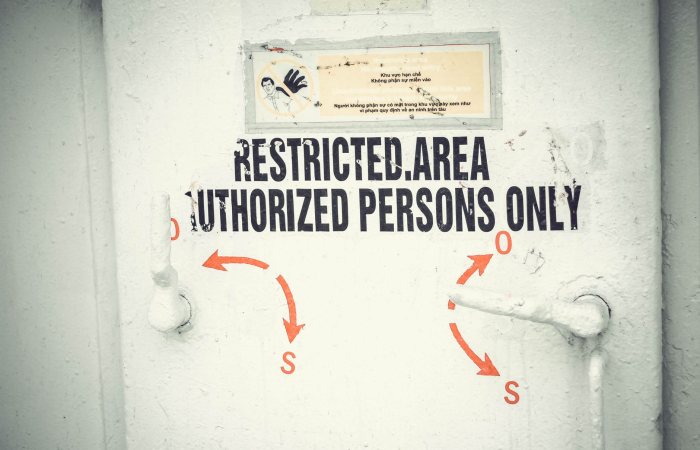
When searching for specialized topics or niche subjects such as about datrihelminen life, researchers often land on the outer edges of the indexed web. These lower-traffic zones present distinct security and privacy challenges that standard, mainstream browsing rarely encounters.
One common risk in niche research is encountering click-bait sites, domain parking networks, and search-engine-optimization (SEO) traps. Cybercriminals and aggressive ad networks closely monitor rising or unusual search queries. When they notice interest developing around phrases like about datrihelminen life, they automatically spin up dozens of thin pages targeting those exact keywords. These malicious or low-quality sites frequently host deceptive ad units, push notification scripts, fingerprinting trackers, or drive-by download attempts disguised as “official reports.”
It is equally important to acknowledge the inherent limitations of open-source digital research. Web presence is fundamentally transient. Accounts get deleted, domains expire, pages undergo silent edits, and privacy laws permit individuals to request the removal of personal data from search indexes. Consequently, what you read today about datrihelminen life might be incomplete tomorrow. Digital evidence must be interpreted within its specific chronological context, recognizing that absence of evidence on the web is not necessarily proof of absence in the real world.
Privacy and Safety Precautions for Online Researchers
Protecting your operational security while investigating obscure web targets requires basic technical precautions. Adhering to simple safety rules keeps your personal environment isolated from potentially hazardous websites:
- Use dedicated research browser profiles equipped with robust script blockers, tracker shields, and strict cookie policies.
- Never reuse personal passwords, sign up for unknown newsletters, or enter personal data to bypass content paywalls on unfamiliar sites.
- Rely on web archivers to view suspicious or ephemeral pages safely without executing malicious client-side JavaScript locally.
- Approach sensationalist claims or unverified personal disclosures found on user-generated platforms with analytical detachment.
By keeping safety protocols intact, researchers exploring topics about datrihelminen life can analyze facts objectively without exposing their own devices or personal privacy to unnecessary risks.
Frequently Asked Questions
What does a digital footprint include?
A digital footprint includes all trace data connected to an identity online. This spans public social media activity, registered domain names, press references, forum commentary, archived web pages, and metadata attached to uploaded digital files.
Where can I find reliable information about datrihelminen life?
To find accurate details about datrihelminen life, focus on verified primary channels such as official personal domains, direct public portfolios, or authenticated social profiles. Avoid relying on automated biography aggregators or unverified discussion forums.
How can I verify if an online profile is authentic?
Authenticity can be verified by checking for official platform verification badges, evaluating account age and consistency, inspecting cross-linked handles across multiple networks, and analyzing domain ownership records via WHOIS lookup tools.
Are all online mentions of a person accurate?
No. Secondary mentions, aggregator sites, and forum discussions frequently contain outdated information, personal speculation, editorial errors, or deliberate misinformation. Unverified statements should never be treated as established facts without primary corroboration.
Conclusion
Making sense of online identities and digital traces is an exercise in critical thinking, methodological discipline, and cybersecurity awareness. Whether you are conducting professional background research or simply seeking accurate information about datrihelminen life, success depends on evaluating sources objectively and prioritizing direct evidence over search engine chatter. By leveraging structured verification checklists, acknowledging the limitations of web archives, and exercising strict browser safety, you can successfully navigate the complexities of the web while filtering out noise, speculation, and risk.
Related Guides
Explore more useful resources related to this topic:
- Understanding iadonecon.com: Domain Safety, Ad Infrastructure, and Security Analysis
- Demystifying System Build Strings: A Guide to Managing Codes Like gieziazjaqix4.9.5.5 in Marketing Operations
- Demystifying Darrchisz1.2.6.4 Winning: Frameworks, Performance Analysis, and System Optimisation
- Navigating Technical Identifiers and Network Security in Corporate Marketing Guide Operations