

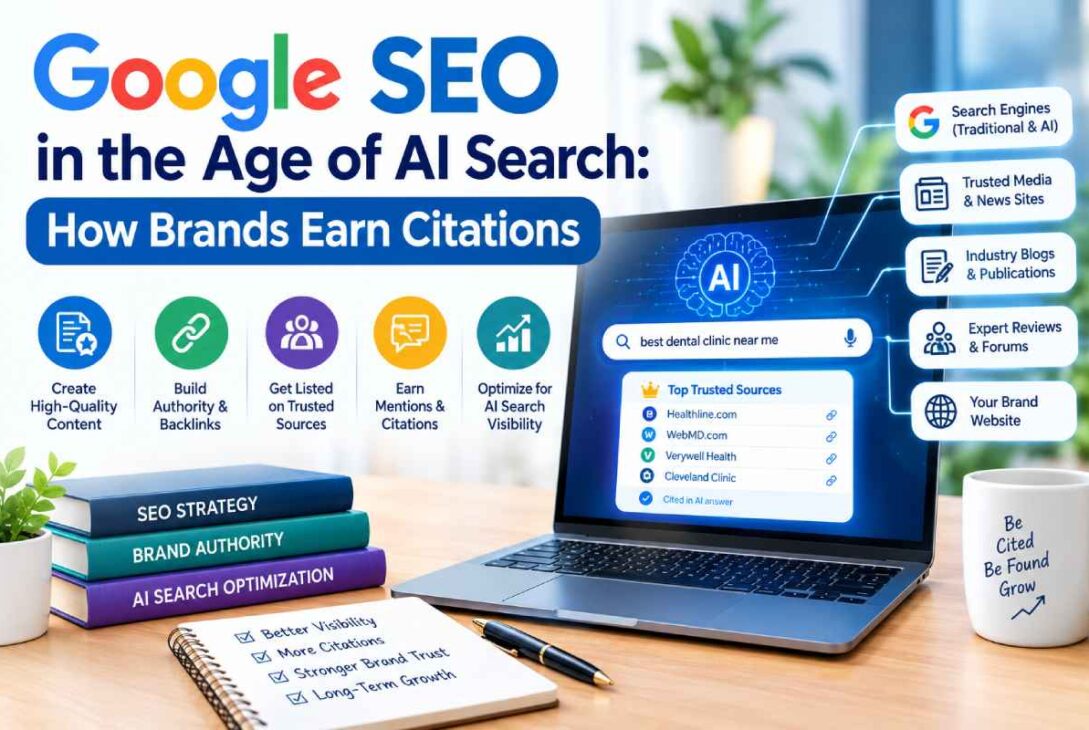
For years, Google SEO was often discussed in terms of rankings: choose a query, publish a page, and work to move it higher in the results. AI-powered search adds another question for marketers: will a system consider this source reliable enough to cite in an answer? The shift matters to any organization that depends on being found, from a local sports club selling tickets to a healthcare company explaining its services.
There is no single switch that makes a website trustworthy. Search systems assess a collection of signals, while their methods can change over time. But marketers can still make practical choices that help people—and automated systems—understand who is speaking, what evidence supports a claim, and why a page deserves attention. For a useful overview of how AI evaluates trusted sources, it helps to consider both the content itself and the reputation around it.
Trust Starts With a Clear, Useful Page
A page written to answer a real question has a stronger foundation than one built only to capture a keyword. That means putting the answer near the top, using specific language, and explaining unfamiliar terms instead of relying on industry shorthand. A reader looking for a team’s ticket policy, for example, should not have to work through several paragraphs of promotional copy before finding the details.
Clarity also means matching the depth of the explanation to the subject. A short announcement may need little more than the date, location, and next step. A guide about injury prevention, nutrition, or financial decisions calls for more context and careful sourcing. In higher-stakes areas, an organization should identify qualified contributors, cite credible evidence, and make clear when information is general rather than personal advice.
These choices support people first. They also give search systems better clues about a page’s purpose, authorship, and relationship to the questions it addresses. Strong Google SEO is not a substitute for accuracy; it is the work of making accurate, useful information easier to discover and interpret.
Make Expertise Visible
Brands often have expertise that is real but hard to see online. A team’s athletic trainer may know how it approaches recovery. A marketing director may understand the local audience. A technology provider may have years of experience helping organizations manage data. If that knowledge appears only in vague brand language, readers have little basis for judging it.
Give important pages a visible author or reviewer when appropriate, include relevant experience, and explain how the information was prepared. Keep company details, staff biographies, and contact information current. When a page changes, update the substance—not just its date—so that readers can tell the organization is maintaining it.
Consistency matters as well. A brand’s website, social profiles, and partner mentions should describe its work in ways that are compatible, even if the wording differs. Conflicting names, outdated claims, or missing context can make it harder for people to connect the dots. A coherent digital presence is especially valuable in sports, where teams and events may be covered by local news, league sites, sponsors, and fan communities.
Build Reputation Without Chasing Links
Outside references can help establish that a business or organization is known beyond its own website. Yet a mention is not automatically meaningful. A contribution on a relevant publication, a detailed interview, or a useful resource shared by a respected organization carries more context than a generic post placed solely to manufacture a backlink.
Before pursuing a guest article, consider the publication’s audience, editorial standards, topic fit, and whether its readers would genuinely benefit. In health marketing, for instance, a placement should be judged on more than its advertised reach. The subject matter may affect how readers assess the publisher and the writer, so expertise and responsible review deserve particular attention. Marketers comparing opportunities can use this guide to health guest post sites and their metrics as one starting point for evaluating options.
Osdire is a freelance marketplace that includes writing, marketing, and other services, so it can be one place to find help with a content task. Whatever the route, the brief should spell out the intended audience, evidence requirements, editorial expectations, and approval process. A low-cost article that does not fit the publication or withstand review is rarely a good investment.
Measure Outcomes Beyond Rankings
Rankings still matter, but they are only one part of a search program. Track qualified visits, useful actions, branded searches, and whether important pages are being surfaced for relevant questions. If an AI-generated answer cites a page, examine whether the citation sends visitors, supports awareness, or helps people make an informed choice. These outcomes may differ by industry and query.
Use analytics and search tools to identify gaps, then review the pages behind the numbers. A fall in traffic may reflect a change in search behavior, a technical issue, or content that no longer answers the question well. Updating the page with more current information and a clearer explanation is usually more durable than adding keywords without improving the experience.
A Practical Standard for the Next Search Era
AI search does not make the fundamentals of marketing irrelevant. It raises the value of doing them carefully. Publish information that serves a defined audience, show who is responsible for it, support important claims, and earn relevant recognition through work worth referencing. Those habits give people better reasons to trust a brand and give search systems clearer evidence when deciding which sources to surface.
No tactic can guarantee a citation or a top result. But organizations that treat trust as an ongoing editorial practice—not a technical trick—will be better prepared as search interfaces continue to evolve.
Also Read: ULIP Calculator: Estimate Your Returns Before You Invest