


Understanding Domain Evaluation in Corporate Marketing
Corporate marketing teams frequently run into unfamiliar URLs, external links, and third-party web properties during competitor research, backlink audits, and partnership outreach. When reviewing obscure or unverified properties like presidenslot222.com, establishing a clear evaluation protocol is essential to protect brand reputation and maintain digital hygiene. Unidentified domains often carry potential security risks, obscure ownership structures, or irrelevant traffic signals that simply do not align with professional corporate standards.
Establishing clear boundaries helps marketing professionals separate legitimate business entities from low-quality domains or parked pages. This guide outlines practical steps for assessing web properties safely without relying on unverified assumptions.
Domain Risk Assessment Framework
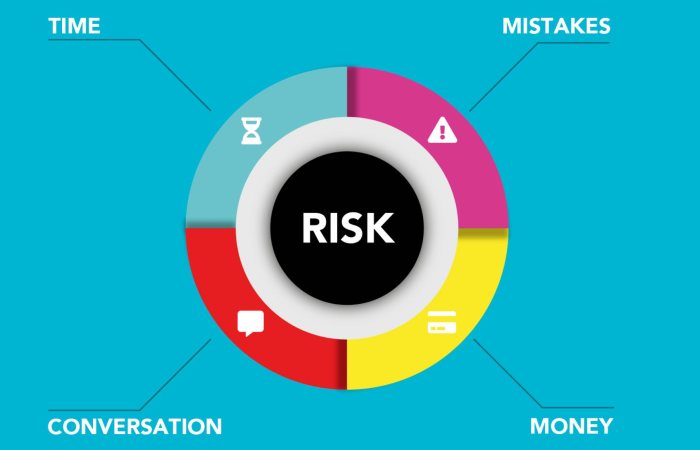
Before interacting with any unfamiliar web address, marketing analysts should apply a structured decision framework. This approach minimizes security exposure and ensures compliance with standard digital governance policies.
Initial Security and Ownership Checks
Verifying the background of a domain starts with basic public record checks. Official registration details, SSL certificate validity, and hosting infrastructure provide initial clues about a site’s legitimacy.
- WHOIS Lookups: Review domain registration dates, privacy masking services, and administrative contact details.
- SSL Configuration: Check for valid HTTPS implementation and trusted certificate authorities.
- Reputation Scanning: Use established threat intelligence databases to check for malware flags or phishing reports.
It is important to note that masked registration data is common for privacy reasons, but combined with other risk factors, it warrants caution. When assessing a specific property, always rely on official registry data rather than unverified third-party claims.
Comparison of Domain Evaluation Factors
| Evaluation Metric | Low-Risk Indicator | High-Risk Indicator |
|---|---|---|
| Domain Age | Established over 3 to 5 years | Registered within the last few weeks |
| SSL Status | Valid certificate from a known CA | Missing, expired, or self-signed certificate |
| Backlink Profile | Diverse links from reputable industry sites | Spammy, low-quality, or completely absent links |
| Content Quality | Original, coherent, and professionally edited | Thin content, broken layouts, or parked banners |
Digital Footprint and SEO Analysis

When analyzing web properties from an SEO perspective, marketers look at visibility, indexing status, and organic search performance. Unfamiliar domains often lack meaningful search visibility, which can impact decisions regarding partnerships or backlink acquisition.
Indexing and Visibility Checks
Checking how major search engines index a domain reveals whether the site has an active history or has incurred algorithmic penalties. Analysts typically review cached versions, indexed page counts, and organic keyword footprints.
Practical SEO Limitations
When reviewing properties online, marketers must remember that automated SEO tools provide estimates rather than exact metrics. Traffic projections and authority scores should be treated as directional guides rather than absolute facts. If a domain shows no verifiable organic footprint, pursuing digital PR or link integration carries little strategic value.
Safer Verification Protocols

Protecting corporate infrastructure from potential web-based threats requires strict adherence to safe browsing practices. Marketing teams should never input corporate credentials or download unverified files from unknown domains.
Actionable Verification Checklist
- Perform initial checks in an isolated browser environment or virtual machine if deep inspection is necessary.
- Avoid clicking external links embedded in unsolicited outreach emails pointing to obscure domains.
- Consult IT security personnel before interacting with domains that trigger browser security warnings.
- Document all findings in a centralized marketing audit log for future reference.
By maintaining a disciplined approach to domain evaluation, organizations can safeguard their digital assets, avoid toxic link associations, and make informed decisions based on verified data rather than speculation.
Frequently Asked Questions
What should I do if an unfamiliar domain links to my corporate website?
Review the backlink context using standard analytics tools. If the link originates from a low-quality or irrelevant source, monitor its impact and consider disavowing it if unnatural linking patterns are detected.
Are privacy-protected domain registrations always suspicious?
No. Many legitimate businesses use domain privacy services to reduce spam and protect contact details from public scrapers. Privacy protection must be evaluated alongside other trust signals.
How can I safely inspect a suspicious web address like presidenslot222.com?
Use safe URL inspection tools provided by trusted security vendors rather than visiting the site directly in your primary browser.
Conclusion
Evaluating unfamiliar web domains is a routine yet critical component of modern digital marketing governance. By applying structured risk frameworks, verifying technical security parameters, and maintaining healthy skepticism toward unverified properties such as presidenslot222.com, corporate teams can protect their brand equity and ensure robust online security.
Related Guides
Explore more useful resources related to this topic:
- Evaluating Unfamiliar Web Domains: A Brand Safety Guide
- Evaluating Unfamiliar Web Domains: A Digital Marketer’s Safety and Verification Guide
- Understanding International Digital Platforms and Niche Portals: A Review of https://cugid.com/recolectores-de-frutas-y-legumbres
- Navigating Brand Identity Uncertainty: A Risk Assessment Framework for Unfamiliar Digital Platforms