

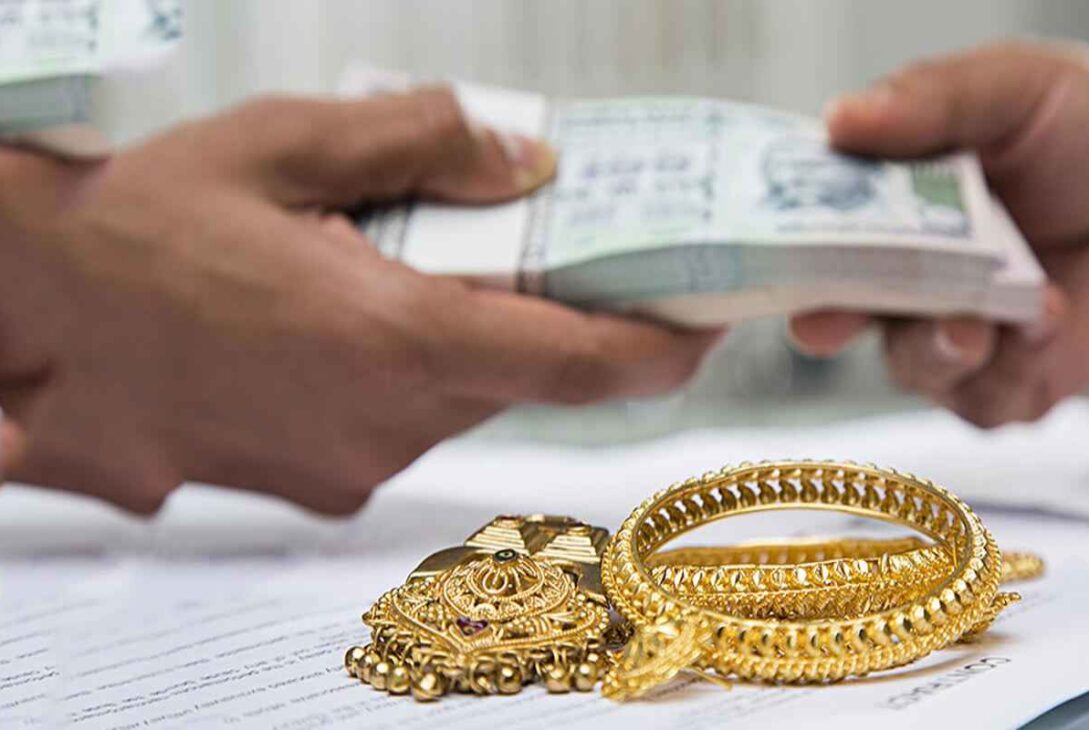
Ever panic-Googled “Is my jewelry real?”
Same.
Maybe you found a tangled mess of chains in your sock drawer. Maybe your aunt gave you a ring with mystery metal energy. Or maybe you’re just staring at your ex’s bracelet thinking, “Time to turn this into wine money.”
Whatever the case, one thing’s clear: if you’re going to sell gold, you’d better understand what you’re holding—and what it’s worth. Because gold buyers? They know. And some are banking on the fact that you don’t.
This is your cheat sheet to flipping the script.
Purity Isn’t Just About Intentions
10k? 14k? 24k?
No, not TikTok trends—these numbers matter.
They tell you how much gold is in your item. Not all that glitters is 24 karats, and that’s not a bad thing (pure gold is actually super soft and bends like drama at a family reunion).
Here’s the purity scale:
- 24k = 99.9% gold
- 18k = 75% gold
- 14k = 58.5% gold
- 10k = 41.7% gold
So yes, your 14k necklace is real gold—just not pure gold. That also means it’s worth less per gram than something with higher karatage (yes, that’s a word).
Check for the stamp. Inside the ring. On the clasp. Near the earring post. If you can’t find one? A legit buyer like Sell Your Gold will test it for you—no weird science class flashbacks required.
Grams Are the New Gold Standard
Weight = Value.
But here’s the twist: not all weight.
When buyers calculate your payout, they want the weight of just the gold—no stones, no clasps, no mystery metals.
- Use a digital scale that measures in grams.
- Group items by karat.
- Don’t include that giant cubic zirconia pretending to be a diamond.
Still unsure? Don’t sweat it. You can always send your items in for free appraisal with a trusted service like Sell Your Gold, where they weigh and test your items professionally. Insured shipping included. Zero pressure to accept.
Spot Price = The Gold Market’s Mood Ring
Gold doesn’t have a set price. It has a spot price—the amount 24k gold is selling for right now on the open market.
Today? It could be $1,950/oz. Tomorrow? $1,880. Or maybe it spikes during global drama (gold loves a good panic).
Here’s what matters:
- You’re not getting the full spot price unless your item is 100% pure (read: it isn’t).
- You’ll get a percentage based on purity, weight, and the buyer’s cut.
- 60–90% of melt value is typical for reputable buyers.
If someone offers you 30% of melt? That’s not a deal. That’s daylight robbery—politely decline and moonwalk out of that interaction.
Avoid the “I Got Lowballed at a Pawn Shop” Story
Look, pawn shops serve a purpose. If you need cash now and don’t care about max value, sure.
But if you want what your gold’s really worth? You’ve got better options.
Let’s break it down:
| Buyer Type | Pros | Cons |
| Pawn Shop | Fast cash | Low payout, high pressure |
| Jeweler | In-person interaction | Offers vary wildly |
| Online Buyer | Convenience, better rates | Trust issues (if not researched) |
Pro tip: Online platforms like Sell Your Gold offer real-time quotes, free shipping, and insured packages—so you can sell from your couch and still come out on top.
Read the Offer. Read the Room.
Once your gold is evaluated, you’ll get an offer. Here’s how to read it like a pro:
- Does it break down weight by karat?
- Does it reflect today’s market prices?
- Is the buyer transparent, or are they just throwing a number at you and hoping you say yes?
You don’t have to accept anything.
Reputable buyers will send your items back—free of guilt, shipping charges, or cryptic “restocking fees.”
Selling Gold Shouldn’t Feel Like a Gamble
You don’t need to be a commodities expert. You just need to know three things:
- What you have (karat + weight)
- What gold is worth today (check the spot price)
- Who you’re dealing with (look for reviews, guarantees, and transparency)
If your gold is real, your math is right, and your buyer is honest, you’re golden. Literally.
Final Thought: It’s More Than Metal
Selling gold isn’t just about cashing out—it’s about letting go. Of old memories. Of unused stuff. Of that bracelet from someone you don’t even text anymore.
But letting go should come with a fair payout.
So weigh it. Check the purity. Know the price. And when you’re ready, choose a buyer that respects both you and your gold.
Start with Sell Your Gold. Because confidence is part of the deal—and you deserve both.
Also read: Pitch Deck Consulting and the Psychology of “Yes”