

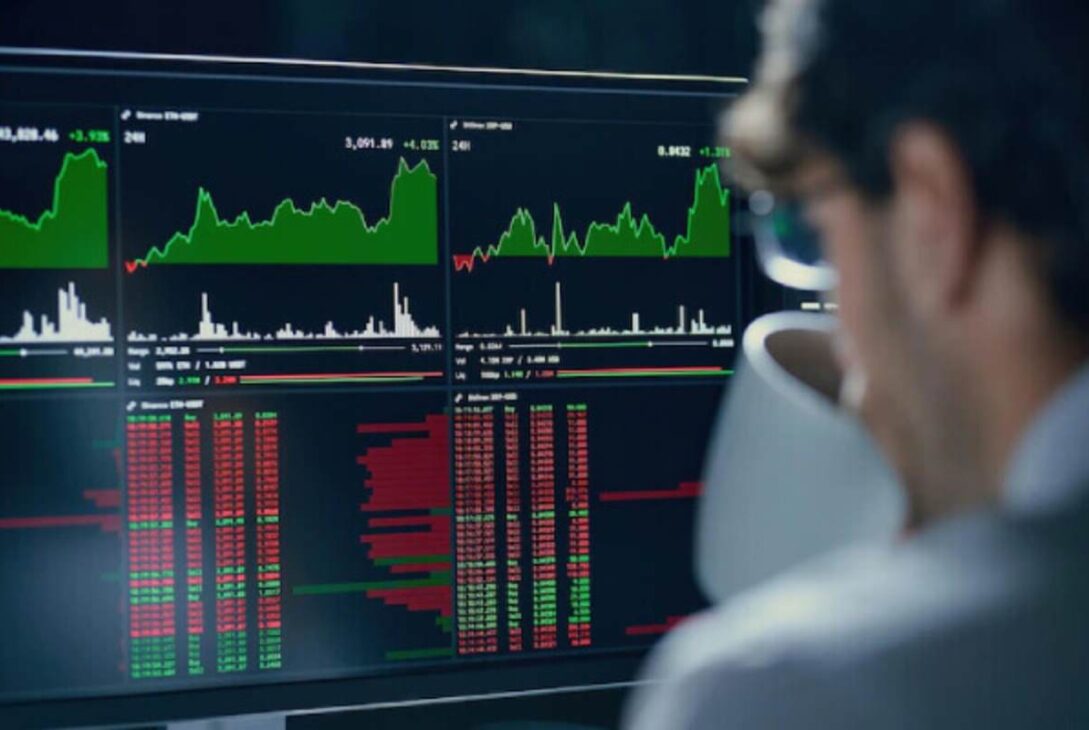
Introduction to Trading Futures
Trading futures is a dynamic and complex activity that allows investors to speculate on the future price movements of various assets, including commodities, currencies, and financial instruments. Unlike traditional stock trading, where ownership of the asset is exchanged, futures contracts are agreements to buy or sell an asset at a predetermined future date and price.
Futures trading is characterized by leverage, which enables traders to control large positions with relatively small amounts of capital. However, this also increases the risk of significant losses. Understanding the intricacies of this market is essential for success, especially when navigating liquidity—the lifeblood of any trading strategy.
Understanding Liquidity in Futures Markets
Liquidity refers to the ease with which an asset can be bought or sold in the market without affecting its price significantly. In futures trading, high liquidity means that there are many buyers and sellers at any given time, allowing traders to enter and exit positions smoothly.
- High Liquidity: Enables quick transactions with minimal slippage.
- Low Liquidity: Can result in large price swings and increased trading costs.
In futures markets, liquidity varies by asset class and trading volume; therefore, understanding these dynamics is crucial for effective trading strategies.
The Importance of Visualising Liquidity
The ability to visualize liquidity provides traders with insights that can significantly enhance their decision-making process. By understanding where liquidity resides within the order book, traders can identify potential entry and exit points more effectively.
Visualisation tools enable traders to:
- Spot areas of high liquidity that may serve as support or resistance levels.
- Monitor real-time changes in market depth.
- Anticipate price movements based on liquidity shifts.
This deeper understanding helps traders adjust their strategies quickly, making them more responsive to market conditions.
Overview of Bookmap
Bookmap is regarded as one of the best and most innovative futures trading platform that offers advanced visualisation tools specifically designed for futures trading. By providing a clear picture of market liquidity, it empowers traders to make informed decisions based on real-time data.
Unlike traditional charting methods that may obscure vital information about market depth, Bookmap presents a heatmap interface that highlights liquidity across different price levels. This unique approach allows traders to see not just current prices but also where significant buy and sell orders exist.
Features of Bookmap for Traders
Bookmap boasts several features that set it apart from other trading platforms:
- Heatmap Display: Shows historical and current liquidity levels in an intuitive format.
- Order Flow Analysis: Provides insights into the order book dynamics, allowing traders to understand buying and selling pressure.
- Volume Profiles: Displays volume traded at each price level over time, helping identify key support and resistance areas.
- Market Depth Visualization: Offers a detailed view of market depth, enabling traders to see how many orders are queued at various price points.
- Custom Alerts: Allows users to set alerts for specific liquidity events or price movements, ensuring they never miss critical opportunities.
These features combine to create an unparalleled tool for visualising liquidity in futures trading.
How to Use Bookmap Effectively
To maximize the benefits of Bookmap, traders should consider the following strategies:
- Set Up Your Workspace: Customize your layout by integrating different views such as heatmaps and volume profiles.
- Monitor Market Depth Regularly: Keep an eye on changes in market depth as they can indicate shifts in buying or selling momentum.
- Use Historical Data: Analyze past liquidity patterns using Bookmap’s historical data feature to inform future trades.
- Utilize Alerts Wisely: Configure alerts for specific conditions that matter most to your trading strategy.
- Combine with Other Analysis Tools: While Bookmap provides excellent visualisation capabilities, integrating it with technical analysis can enhance overall strategy effectiveness.
By employing these tactics, traders can leverage Bookmap’s capabilities to improve their trading outcomes significantly.
Case Studies: Success Stories with Bookmap
Several success stories illustrate how traders have effectively utilized Bookmap:
- Case Study 1 – Commodities Trader: A trader focusing on crude oil futures used Bookmap’s heatmap feature to identify significant sell orders near a psychological resistance level at $80 per barrel. By adjusting their strategy based on this insight, they managed to capitalize on a subsequent price drop effectively.
- Case Study 2 – Forex Trader: A forex trader applying futures contracts noticed unusual volume spikes on Bookmap when trading EUR/USD pairs. By recognizing these spikes as signs of impending volatility, they positioned themselves ahead of major news releases and realized substantial profits.
- Case Study 3 – Day Trader: A day trader specializing in S&P 500 futures used Bookmap’s real-time order flow analysis during high-impact economic reports. By monitoring changes in market depth just before announcements, they identified key entry points that led to successful trades throughout the day.
These case studies highlight how visualising liquidity can lead to strategic advantages in various trading scenarios.
Industry Insights and Future Trends
The landscape of futures trading continues evolving rapidly due to technological advancements and changing market dynamics:
- Increased Adoption of AI: Artificial intelligence is becoming integral in predictive analytics within trading platforms like Bookmap.
- Algorithmic Trading Growth: As more traders adopt algorithmic strategies, understanding liquidity through visualization becomes even more critical.
- Regulatory Changes: Traders must stay informed about regulatory updates affecting futures markets, as these can impact liquidity patterns significantly.
Staying attuned to these trends allows traders using platforms like Bookmap to adjust their strategies proactively and maintain a competitive edge.
The future promises exciting developments in how traders will interact with markets through enhanced visualisation tools like Bookmap, making the path forward more engaging than ever before.
As the environment evolves, so does the potential for improved decision-making processes based on real-time insights into liquidity—an invaluable asset for any trader aiming for success in the fast-paced world of futures trading.
Also read: How to Grow Your Website Authority with Safe Link Building Techniques