

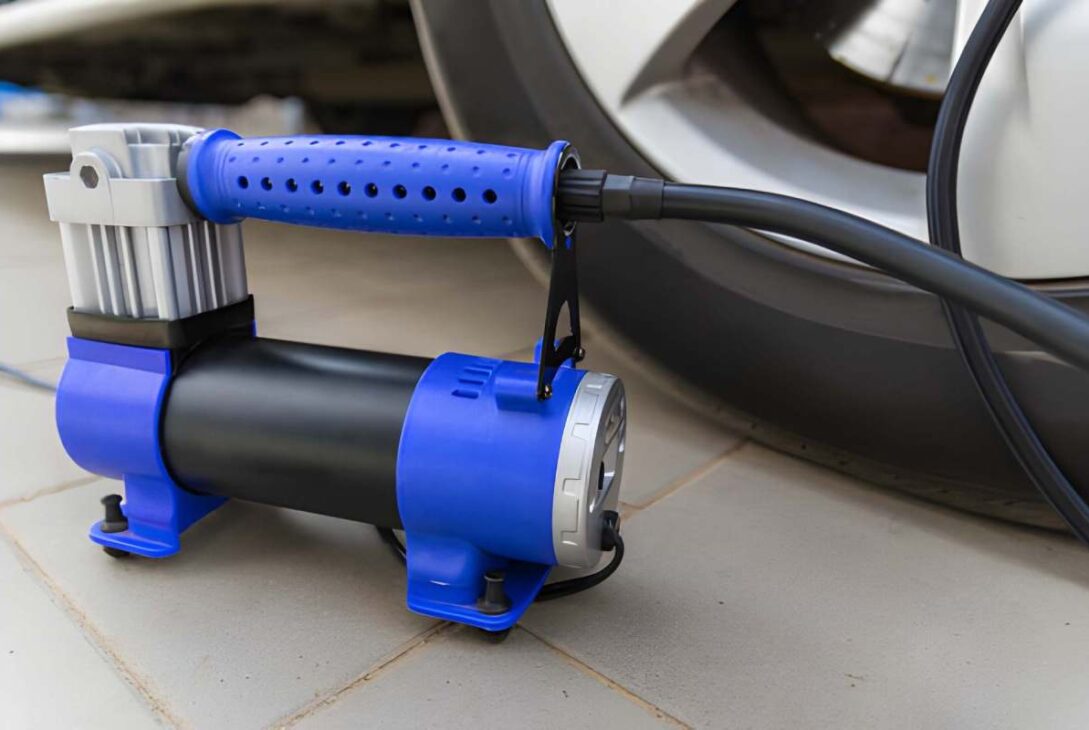
Maintaining proper tire pressure is one of the simplest yet most important aspects of vehicle safety and performance. Underinflated tires can lead to reduced fuel efficiency, uneven tread wear, and increased risk of blowouts. While gas station air pumps can help in a pinch, they’re not always convenient or reliable. That’s why many drivers choose to keep a portable tire inflator in their vehicle for quick, on-demand inflation wherever they are.
Portable tire inflators provide peace of mind by allowing drivers to address low tire pressure immediately, whether at home, on the road, or during changing weather conditions. Knowing what to look for before buying one ensures you choose a model that fits your driving habits and vehicle needs.
Benefits of Keeping a Tire Pump in Your Car
One of the biggest benefits of a portable tire inflator is convenience. Tire pressure naturally fluctuates due to temperature changes, seasonal shifts, and normal air loss over time. Having a tire pump in your car allows you to maintain proper pressure without relying on external air sources.
Improved fuel efficiency is another major advantage. Underinflated tires create more rolling resistance, which forces the engine to work harder and burn more fuel. Regularly topping off tires helps maintain optimal efficiency and reduces unnecessary fuel consumption over time.
Portable inflators also enhance safety. Properly inflated tires improve traction, braking performance, and handling. This is especially important in adverse conditions such as rain, snow, or uneven terrain. When combined with other seasonal equipment like tire chains, maintaining correct tire pressure helps maximize grip and control during winter driving.
Another benefit is early problem detection. Frequently checking and inflating tires makes it easier to notice slow leaks or punctures before they become serious. If a tire repeatedly loses air, it’s often a sign of damage that needs attention. Catching this early can prevent roadside emergencies and costly repairs.
Portable tire inflators are also helpful for vehicles beyond passenger cars. They can be used on motorcycles, bicycles, trailers, and even recreational equipment. This versatility makes them a valuable tool for drivers with multiple vehicles or outdoor hobbies.
Storage and ease of use are additional considerations. Most portable inflators are compact and fit easily in a trunk or storage compartment. Many models feature digital pressure gauges, preset inflation settings, and automatic shutoff functions, making them easy to use even for drivers with little mechanical experience.
When Inflation Can Prevent a Flat
While not all flats can be avoided, proper inflation significantly reduces the likelihood of tire failure. Underinflated tires flex more as they roll, generating excess heat. Over time, this heat weakens internal tire structure and increases the risk of a blowout. Regular inflation keeps tires operating within their designed pressure range, reducing stress on sidewalls and tread.
Slow leaks are another common cause of flats that can often be managed with prompt inflation. Nails, small punctures, or valve stem issues may allow air to escape gradually. Using a portable inflator to maintain pressure can buy time until a proper repair is made, preventing the tire from fully deflating while driving.
Inflation also helps protect suspension components. Tires act as part of the vehicle’s cushioning system, absorbing road impacts before they reach the suspension. When tires are underinflated, more force transfers to components like shocks, accelerating wear and reducing ride quality. Maintaining correct tire pressure helps preserve suspension performance and comfort.
Temperature changes play a major role in tire pressure loss. Cold weather causes air to contract, often triggering low-pressure warnings overnight. Having a portable inflator allows drivers to correct pressure immediately without driving on underinflated tires. This is particularly useful during seasonal transitions when pressure fluctuations are more frequent.
Proper inflation also promotes even tread wear. Uneven wear patterns reduce tire lifespan and compromise handling. By keeping tires inflated to recommended levels, drivers can extend tire life and maintain consistent performance across all four wheels.
In emergency situations, a portable inflator can make a significant difference. While it won’t fix major damage, it can help restore pressure long enough to safely reach a repair facility. This added layer of preparedness reduces stress and improves confidence on longer trips or remote drives.
Conclusion
Portable tire inflators are a practical investment for drivers who value safety, convenience, and vehicle longevity. By allowing immediate access to proper tire pressure, they help improve fuel efficiency, reduce wear on tires and suspension components, and lower the risk of flats caused by underinflation. Whether used for routine maintenance or unexpected pressure loss, keeping a tire inflator in your car ensures you’re prepared to handle minor tire issues before they turn into major problems.
Also read: Guide to Choosing the Right Postage Solutions for Your Business