


Understanding Network Identifiers and Server Routing
Modern corporate digital marketing relies heavily on underlying network infrastructure. When technical teams reference specific strings or server addresses such as 111.150.90.2004, they are typically discussing routing paths, content delivery nodes, or backend server identifiers. Proper configuration of these network elements ensures that marketing platforms, tracking scripts, and corporate websites load reliably for global audiences.
In digital marketing operations, stability is paramount. If server routing fails or an identifier is misconfigured, tracking tools can drop data packets, leading to inaccurate analytics. Establishing a robust protocol for managing these technical assets requires close collaboration between marketing teams and IT administrators.
The Role of Infrastructure in Corporate Marketing
Website performance directly influences user experience and search engine visibility. Network latency caused by suboptimal server placement or poor DNS management can disrupt marketing funnels. Here is a quick overview of key infrastructure components:
- DNS Resolution: Translates human-readable domain names into machine-readable server routing data.
- Content Delivery Networks (CDNs): Distribute cached content globally to reduce load times.
- Firewalls: Protect corporate networks from unauthorised access and malicious traffic spikes.
Security Risks and Infrastructure Management
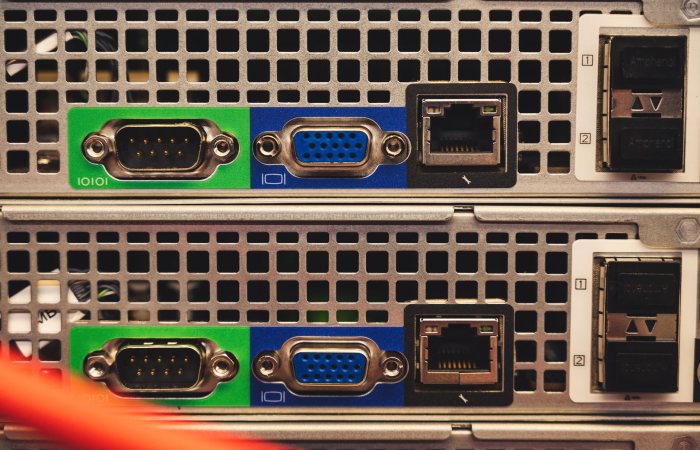
Dealing with external network entities and unknown endpoints introduces potential vulnerabilities. Whether analysing traffic logs or auditing server access linked to entries like 111.150.90.2004, security checks are essential to safeguard corporate data. Unverified incoming connections can signal bot activity, scraping attempts, or distributed denial-of-service threats.
Digital marketers must work alongside cybersecurity teams to monitor traffic anomalies. Sudden spikes in requests from unfamiliar IP ranges can distort key performance metrics and overload server resources. Implementing rate limiting and web application firewalls helps mitigate these risks.
Evaluation Checklist for Network Endpoints
When auditing digital marketing infrastructure or assessing server access logs, consider the following evaluation criteria:
- Verify the ownership and registration details of connecting network blocks via official registry databases (such as ARIN or APNIC).
- Check server access logs for repeated failed authentication attempts or unusual request patterns.
- Ensure all tracking pixels and marketing automation scripts are hosted on verified, secure domains.
- Review SSL/TLS certificates regularly to prevent interception of user data.
Best Practices for Digital Campaign Infrastructure

Maintaining a secure and efficient marketing stack demands ongoing oversight. Relying on established hosting providers and adhering to enterprise security standards minimizes operational downtime. Furthermore, documenting network routing protocols ensures continuity when team members change.
When encountering unfamiliar technical identifiers during routine audits, such as reviewing server logs that reference 111.150.90.2004, always adopt a cautious approach. Verify identity parameters and consult internal IT documentation before making firewall adjustments or altering DNS settings.
Infrastructure Comparison
| Infrastructure Type | Primary Function | Security Consideration |
|---|---|---|
| Shared Hosting | Cost-effective web storage | Higher vulnerability to neighboring site compromises |
| Dedicated Servers | Exclusive resource allocation | Requires manual security hardening and maintenance |
| Cloud CDN | Global content caching and delivery | Requires strict access control and token validation |
Frequently Asked Questions

What does a network address string like 111.150.90.2004 represent in marketing analytics?
It typically denotes a specific server endpoint or routing node interacting with your web property. It can appear in server logs when tracking visits, API calls, or automated bot traffic.
How can I verify the safety of an unfamiliar incoming connection?
Use official WHOIS registry tools and IP reputation databases to check the origin network. Never input credentials or bypass security controls based on unverified traffic logs.
Does server infrastructure affect search engine optimization?
Yes. Search engines evaluate site speed, uptime, and secure protocol implementation (HTTPS) as part of their ranking evaluation processes.
Conclusion
Managing the technical foundations of corporate marketing requires constant vigilance. By understanding how server routing, network identifiers, and security controls interact—especially when monitoring assets like 111.150.90.2004—organizations can protect their digital assets while ensuring smooth campaign delivery. Always prioritize verified administrative pathways and maintain open communication between marketing and IT departments.
Related Guides
Explore more useful resources related to this topic: